

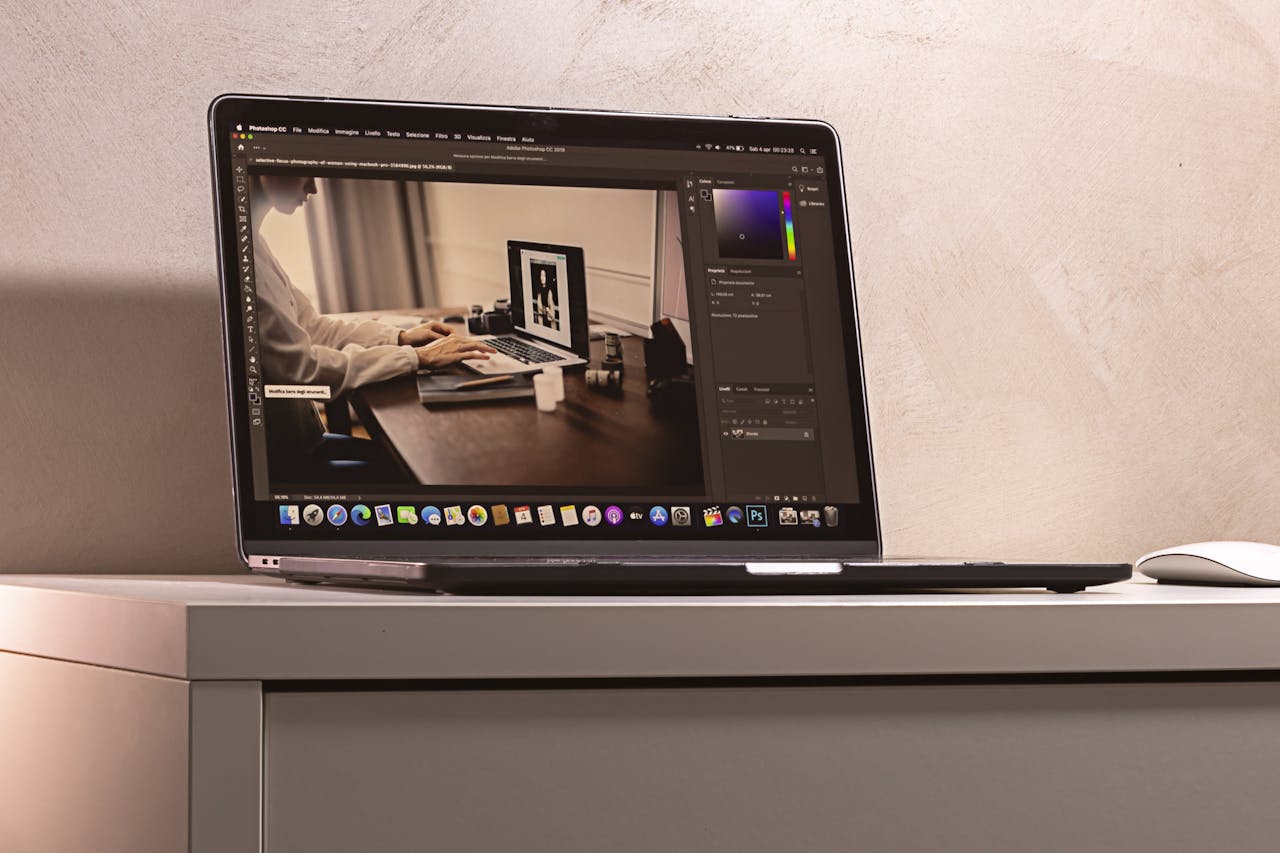
Graphic design is an integral part of our visual and digital landscapes, shaping everything from the branding we interact with daily to the apps we navigate. It’s a field that combines art and technology to communicate ideas through images and layout. This article explores the essentials of graphic design, its significance in modern communication, and its dynamic role in various industries.
What is Graphic Design?
Graphic design is the craft of creating visual content to communicate messages. Applying visual hierarchy and page layout techniques, designers use typography, imagery, and color to enhance usability and improve the user experience. It’s a form of visual communication that requires both creativity and strategic thinking, often involving a systematic plan to achieve certain objectives with the use of images, symbols, or words.
Core Elements of Graphic Design
- Typography: This involves selecting appropriate typefaces and arranging them in a way that is visually appealing and aligns with the message’s purpose. It’s crucial for readability and can significantly affect the design’s mood and clarity.
- Color: Color can convey messages and evoke emotional responses. Understanding color theory is essential for designers to create aesthetically pleasing and effective compositions.
- Layout: This refers to the arrangement of visual elements in a design. A good layout guides the viewer through the content, ensuring a natural flow and improving the readability and effectiveness of the visual message.
- Imagery: The use of graphics and photos in design plays a crucial role in storytelling and message delivery. It includes everything from simple icons to complex illustrations and photographic content.
The Impact of Graphic Design
Graphic design is everywhere—from the websites we browse to the packaging of products we buy. It informs, persuades, organizes, stimulates, locates, identifies, attracts attention, and provides pleasure. In business, it is a tool used to build identity and brand recognition. It helps companies differentiate themselves from competitors and improve consumer loyalty.
Applications of Graphic Design
- Advertising: Craft compelling marketing materials that capture attention and persuade viewers.
- Web Design: Enhance user experience through functional and aesthetically pleasing design.
- Corporate Identity: Create logos and branding materials that reflect a company’s values and goals.
- Publication Design: Layout and design for newspapers, books, magazines, and ebooks.
- Packaging: Design attractive and functional packaging that stands out on shelves.
Staying Current as a Graphic Designer
The field of graphic design is continually evolving with new technologies and trends. To remain relevant, designers must keep up with software advancements, emerging design trends, and shifts in consumer preferences. Lifelong learning through courses, workshops, and reading can help designers stay innovative and responsive to changes in the industry.
Conclusion
Graphic design is much more than just aesthetics; it’s a method for communicating and engaging with the world visually. Designers not only contribute to the beauty of our environment but they also play a crucial role in making information accessible and understandable. In today’s global market, where visual content plays a leading role in interaction, graphic design is more important than ever. It remains a potent tool for conveying ideas and messages effectively and beautifully, bridging the gap between businesses and consumers, and between art and functionality.